


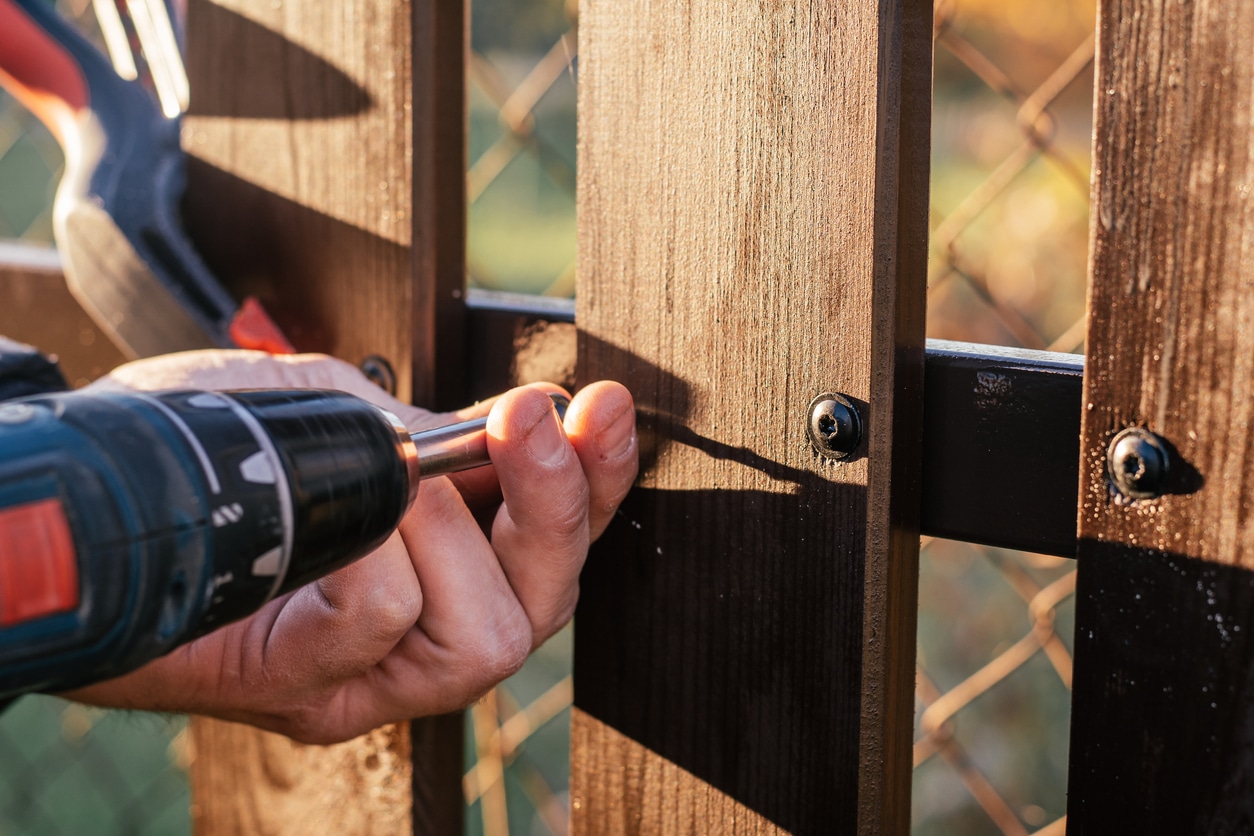
Fence Repair vs. Replacement
How to Decide
Damage does not automatically mean an entire fence needs to be replaced. A broken section, damaged post, or isolated problem may be repairable, while widespread deterioration can make replacement a more practical long-term solution.
The decision depends on the fence material, age, overall condition, and extent of the damage. Tri-Boro Fencing Contractors provides both new fence installation and fence repair, allowing property owners to evaluate the existing fence before deciding how much work is actually necessary.
- TL;DR
- Isolated damage may be repairable without replacing the entire fence.
- Widespread deterioration, repeated repairs, or failing posts can indicate that replacement should be considered.
- The age, material, and overall condition of the fence matter.
- A professional evaluation can help determine whether repairing or replacing provides the better solution.
When Does Fence Repair Make Sense?
Individual damaged sections or components may be addressed without removing an otherwise functional fence. This can be particularly practical when damage was caused by an isolated event rather than gradual deterioration throughout the entire fence.
What Are the Signs a Fence May Need Replacement?
The overall condition matters more than any single damaged area. If repairs are becoming frequent and problems continue appearing elsewhere, replacing the aging fence may provide a more complete solution.
Why Are Fence Posts Important When Making the Decision?
If numerous posts are loose, leaning, deteriorated, or failing, however, the issue is more extensive. Repairing surface-level sections without addressing widespread post problems may not provide a lasting result.
Does the Fence Material Affect Whether It Can Be Repaired?
Availability of compatible replacement material can also matter, particularly with older fences. If matching an existing style or material is difficult, homeowners may need to consider whether a partial repair will provide an acceptable result.
What If Only One Section Is Damaged?
This commonly becomes relevant after localized impact or weather damage. The surrounding fence should still be evaluated to make sure the visible damage is truly isolated.
When Do Repeated Repairs Stop Making Sense?
If posts, panels, rails, or other components are failing throughout the property, replacement may allow the underlying problems to be addressed together rather than continuing to repair one section at a time.
Find The RIght Solution
Signs It's Time to Replace Your Fence
Deciding whether to repair or replace a fence depends on its condition, material, and extent of damage. Tri-Boro Fencing Contractors helps homeowners evaluate damaged sections, structural concerns, and replacement options to find the right solution for their property.
What Should You Consider
Before Replacing the Fence?
Replacement creates an opportunity to reconsider whether the existing fence still meets your needs. You may want more privacy, a lower-maintenance material, a different appearance, or fencing better suited to pets or current property use. Tri-Boro offers wood, vinyl, chain-link, aluminum, and steel fencing, so replacing an older fence does not necessarily mean installing the same material or style again.
Have a Question? We Can Help!
Frequently Asked Questions
Deciding whether to repair or replace a fence depends on its condition, age, and extent of damage. Explore Tri-Boro Fencing Contractors’ FAQs to learn about damaged panels, leaning fences, and when replacement may be the better option.
Depending on the fence and availability of compatible materials, isolated sections may be repairable or replaceable without replacing the entire fence.
No. The cause and extent of the leaning should be evaluated. An isolated post problem may be repairable, while widespread leaning can indicate more extensive deterioration.
That depends on the overall condition of the fence and how frequently repairs are becoming necessary. If problems are widespread or recurring, replacement may be worth considering.
